Introducing ‘Inclusive Recovery from Crises and Disasters’

Out now, Built Environment 52(1) sets out a vital current topic. As the papers demonstrate, affected communities are calling for inclusive recovery and participation in real time of disasters. The sense of urgency is shared by professionals, researchers and communities in their ‘crisis’ work. In this blog, we emphasise that definitions of crises need careful consideration and participation in recovery is not the same as consultation. Inclusive recovery needs action, delivery and the collective shaping of more just and resilient futures.
Disaster recovery is not just about rebuilding buildings; it is also about rebuilding communities for the long-term. In their study of the 2021 volcanic eruption in La Palma ‘Citizen Participation and Urban Resilience in Post-Disaster Recovery: Lessons From the 2021 Volcanic Eruption ln La Palma (Spain)’, Córdoba Hernández and colleagues analyse the influence of citizen participation on territorial recovery processes and the development of more resilient strategies. This issue remains highly relevant. Cities are still facing increasingly frequent and intense environmental disasters. This is demonstrated with recent events such as the floods that hit Nairobi and other Kenyan regions in 2026 (The Guardian, 2026).
Five years after the eruption, reconstruction in La Palma is ongoing, with new infrastructure projects such as the school in La Laguna, and the debate on how, where and with whom to rebuild remains open (ElDiario, 2026). The La Palma case study demonstrates that engaging affected communities can lead to the development of more inclusive recovery strategies tailored to the local context. However, it also highlights the tension between addressing immediate needs and planning for long-term resilience in the face of natural hazards and climate change.
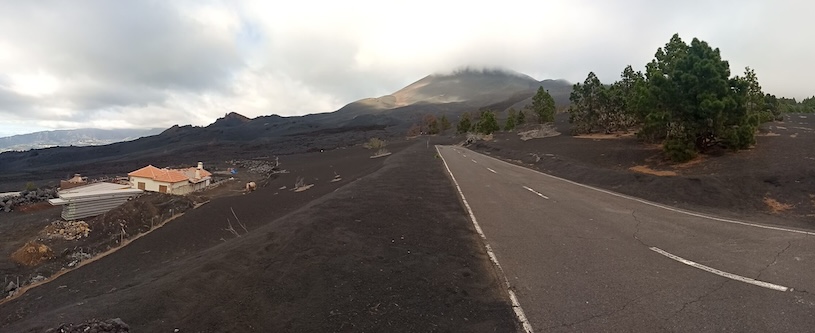
Image 2: La Palma coastal infrastructure, post-disaster damage
In a time of intensifying environmental disasters, recovery can no longer be treated as a purely technical exercise. This is because disasters are becoming more frequent, and crises are more entangled and harder to contain. The past year alone has seen communities across the U.S. struggle to rebuild after catastrophic events — from the deadly 2025 Los Angeles firestorms, where survivors continue to face long, uneven paths to recovery (California Governor’s Office, 2026), to widespread displacement and prolonged power outages following severe winter storms across multiple states (FEMA, 2026). Wars abound and, for instance, 239 million people now require urgent assistance globally amid intensifying conflicts and climate shocks (UN Crisis and Emergency Response, 2025). But professionals are raising the issue up the international agenda and gathering allies.
A new International Participatory Charter emerged from the UN Habitat Professionals Forum Roadmap to Recovery. In their paper ‘Participation in Crisis: Professional Lessons from the International Participatory Charter’, Panayotopoulos-Tsiros and colleagues explore the co‑productive process involving researchers, practitioners and policy actors working across Africa, Central and South East Asia, Oceania, North America and Europe. This emphasis on shared authorship mirrors the growing call for more locally grounded, community-led forms of crisis response—something echoed in proposals for a global “humanitarian reset,” which argues that affected communities must shape recovery from day one rather than being passive recipients of aid (World Economic Forum, 2026).
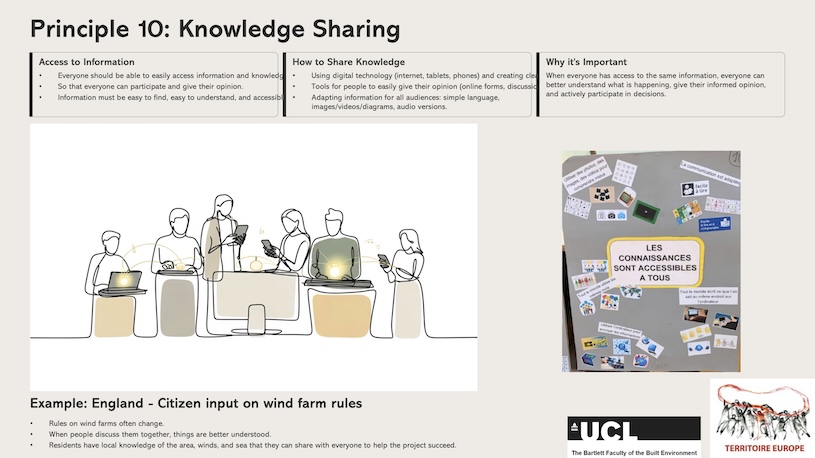
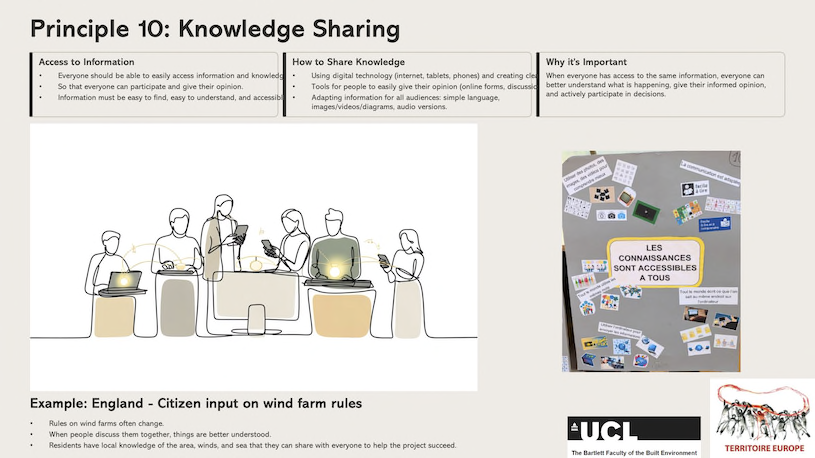
Image 3: Promoting professional alliances
With increasing military conflict and wars, recovery has become a daily negotiation rather than a post‑crisis condition. A clear pattern shows up in authoritative updates and top‑tier reporting: crises are increasingly protracted, infrastructure‑shaped, and mentally and morally exhausting not only for communities but also for the practitioners working within them and for the whole world affected by social‑media bombardment. In the Gaza Strip, official reporting highlights how border closures and “dual use” restrictions ripple through water, waste, health care, education and protection services (Reuters via Al‑Monitor, 28 Feb 2026; OCHA, 6 Mar 2026). In Ukraine, verified documentation shows sustained civilian harm and repeated attacks on health systems and civilian infrastructure (OHCHR fact sheet, Feb 2026; PHR press report, Feb 2026).
In their paper ‘Making sense of researching crises: reflections on work in Gaza’, Hassan and Natarajan argue that crisis research must track the lived meaning of breakdowns, not just count events. This point is painfully reinforced by reports of increasingly deadliness and violence seen in attacks in Ukraine (AOAV, Feb 2026) and a regional escalation involving Iran. The latter is already producing large‑scale displacement in Lebanon and renewed pressure on health services. precisely the kind of “spillover crisis” our paper treats as shared and relational. Recent reports describe over 700,000 people fleeing Lebanese towns amid intensified airstrikes and evacuation orders (Newsweek, 10 Mar 2026), with health systems across the region straining under rising casualties and disrupted services (WHO, 11 Mar 2026). Meanwhile, climate‑amplified flooding in Mozambique shows the same built‑environment story through a different driver: homes, roads, schools and clinics disrupted, displacement rising, and children facing compounded health risks. The most recent assessments indicate that the 2025–26 floods have affected up to 860,000 people, damaged more than 180,000 homes, and disrupted over 6,700 km of road networks (The Watchers, Feb 2026), while news reports confirm nearly 400,000 people displaced and major protection risks emerging in overcrowded temporary shelters (USA for UNHCR, Feb 2026).
This means that reimagining recovery is critical. Hassan and Natarajan ask: who gets to define what’s happening, what counts as evidence, and what “success” even means in recovery? These epistemic questions matter enormously.

Image 4: Children living in ruins, Gaza strip
Migration is still constantly framed as a crisis, but it isn’t. Since 2015, ‘the long summer of migrations’ has been treated as an emergency to face, contain, and manage. Yet in reality, people have been navigating borders for centuries, and migration is one of the constitutive features of human life. With wars, conflicts, climate disasters, and housing shortages dominating the news, migrations will only become more frequent, making it urgent to rethink how built-environment research can support more inclusive and humane urban futures. While this seems to be increasingly recognised internationally (UN News, 2026), and UN Habitat’s focus on adequate housing and resilient communities resonates strongly here, politicians at national and supranational levels still tend to treat mobility as a threat. For this reason, local governments and cities need to be prepared and designed to welcome newcomers, offer support, and develop strategies of integration that move beyond the crisis narrative and acknowledge the central role of migration in the urban future. Something already visible in the sanctuary city movement (The Guardian, 2026). Urban spaces must be designed with migrants in mind, while also recognising the existing, often informal, models of integration from which planning can learn. In Grelle’s case study of Ararat, ‘Planning with migrations to overcome crisis: the case of Ararat, Rome (Italy).’, looks at how these everyday negotiations reshape the city and challenge the idea that migrations is temporary or exceptional.
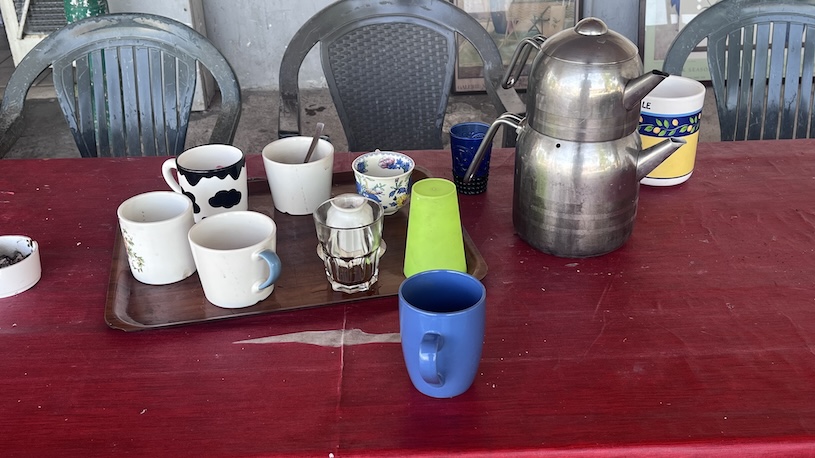
Image 5: Sharing chai, a quiet ritual of everyday conviviality of Ararat
References
Córdoba Hernández, R., Pemán Gavín, I., Morán Uriel, J. and Camerin, F. (2026) Participation and urban resilience in post-disaster recovery: lessons from the 2021 volcanic eruption in La Palma (Spain). Built Environment, 52(1), pp. 29–50.
Grelle, A. (2026) Planning with migrations to overcome crisis: the Case of Ararat, Rome, Italy. Built Environment, 52(1), pp. 71–87.
Hassan, S. & Natarajan, L. (2026) Making sense of researching crises: reflections on work in Gaza Built Environment, 52(1), pp. 111–124
Panayotopoulos-Tsiros, D., Lancrenon, D. & Natarajan, L. (2006) Participation in Crisis: Professional Lessons from the International Participatory Charter. Built Environment, 52(1) pp.10–28.
Author Affiliations
Angelina Grelle, PhD Candidate in Urban and Regional Development, Interuniversity Department of Regional and Urban Studies and Planning, Politecnico di Torino.
Dimitrios Panayotopoulos-Tsiros, Research Associate & Honorary Research Fellow, The Bartlett School of Planning, UCL, Affiliated Researcher, The Bennett School for Public Policy, University of Cambridge.
Dominique Lancrenon, founding member Territoire Europe, North of France delegate Société Français des Urbanistes, honorary president, ECTP-CEU.
Federico Camerin, Ramón y Cajal Senior Post-doc Fellow, Departamento de Urbanismo y Representación de la Arquitectura, Instituto Universitario de Urbanística, Universidad de Valladolid.
Lucy Natarajan, Associate Professor, The Bartlett School of Planning, UCL.
Rafael Córdoba Hernández, Associate Professor, Departamento de Urbanística y Ordenación del Territorio, Universidad Politécnica de Madrid.
Sara Hassan, Senior Research Fellow, City-Region Economic Development Institute at the University of Birmingham.
________________________________________________________________
As ever we welcome further Built Environment blogs & resharing on this theme!
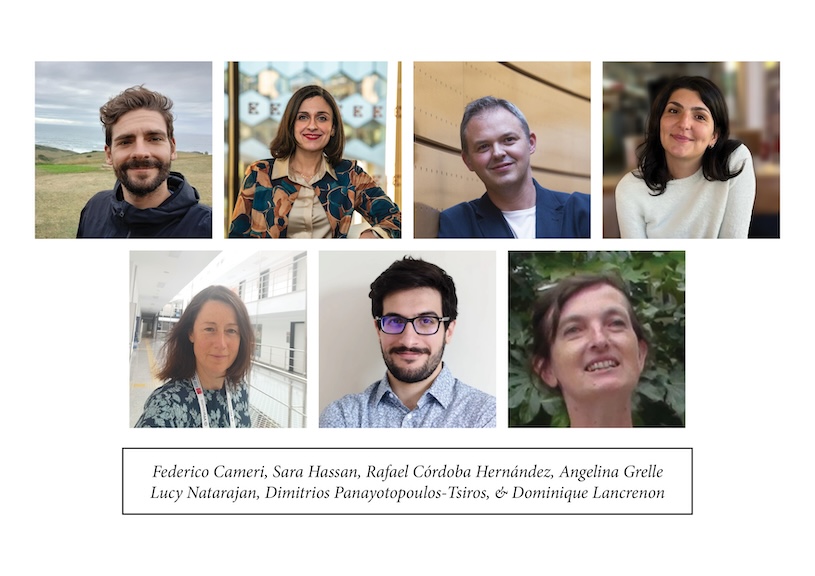
Image 1: Blog authors who are all contributors to the special issue (Source: authors, all rights reserved)
Image 2: La Palma coastal infrastructure, post-disaster damage (Source: authors, all rights reserved)
Image 3: Promoting professional alliances with an easy to read and understand version of the HPF International Participatory Charter (Source: Territoire Europe, all rights reserved)
Image 4: Children living in ruins, Gaza strip (Source: PxHere, some rights reserved)
Listing image/Image 5 : Sharing chai, a quiet ritual of everyday conviviality of Ararat (Source: Angelina Grelle, all rights reserved)